Cured-In-Place Pipe (CIPP) Lining Project
CIPP lining is a trenchless sewer repair method used to fix damaged underground sewer pipes without digging up streets. CIPP is a technology that creates a new, seamless “pipe within a pipe” by inserting a resin-soaked liner into an existing sewer line, inflating it, and curing it so it hardens in place.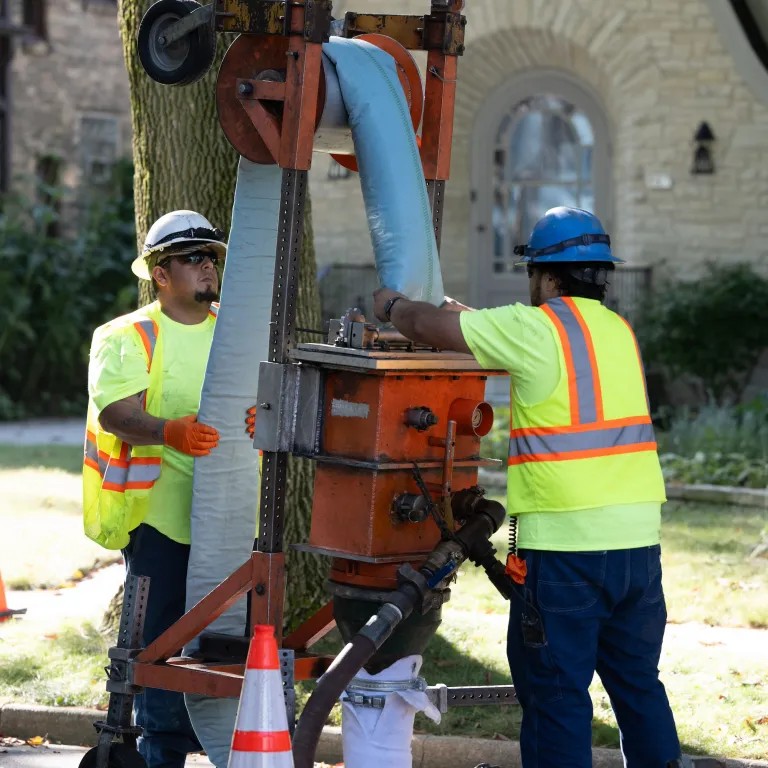
Once cured, it becomes a strong, joint-free replacement pipe that should last from 60 - 100 years, depending on conditions. All processes and procedures for installation are approved by the Environmental Protection Agency (EPA) and Occupational Safety and Health Administration (OSHA) and follow established guidelines.
See the map for project areas.
What to Expect
Work is completed from manholes in the street and typically includes:
- Cleaning the pipe by removing roots and debris
- Setting up temporary sewer bypass pumping if needed
- Installing and curing the liner inside the pipe
- Reopening service connections to homes
- Performing a final inspection
Most work is completed within a day, with the actual lining process taking only a few hours.
Temporary Water Use Restrictions
During the lining process, your home's sewer service will be temporarily unavailable. Using water during this time can cause backups into your home.
To prevent backups, residents must limit water and sewer use during this time, including toilet flushing and turning off any sump pumps connected to the sewer.
Please avoid:
- Taking showers and baths
- Running washing machines & dishwashers
- Running sinks for extended periods
The restriction period typically lasts several hours. Residents will receive at least 24 hours advance notice before any restrictions. Normal water use may resume once the work is complete and crews have left the area.
Odors During Construction
You may notice a temporary odor similar to plastic or glue during the lining process. This comes from the liner material and will dissipate shortly after work is complete.
Testing has shown that these odors are well below levels considered harmful.
To help prevent odors from entering your home you can pour water into floor drains and rarely used sinks to fill the P-trap.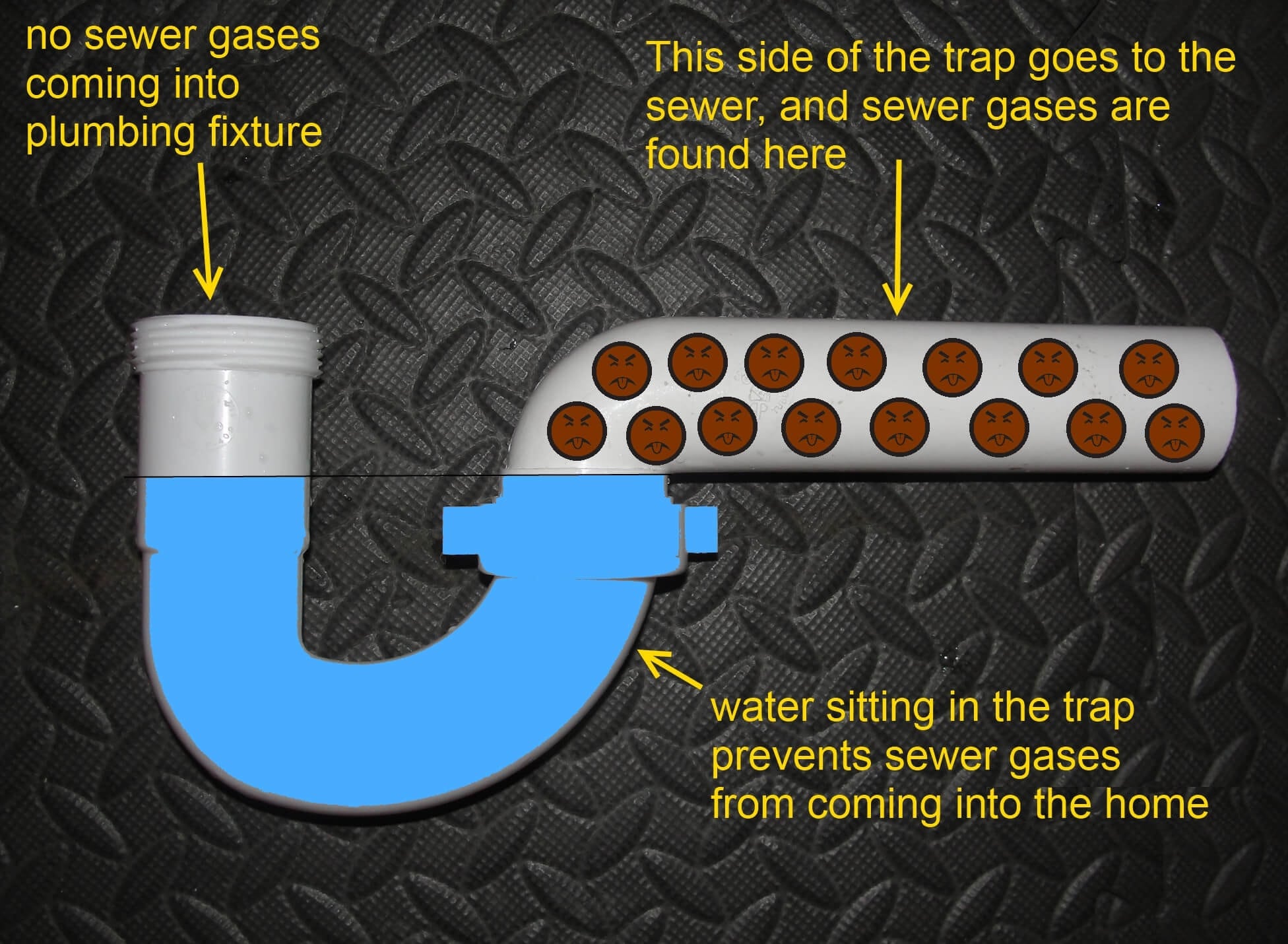
If you notice odors indoors you can open windows for ventilation and cover basement floor drains. Contact the project team if odors persist.
Contractor's Tentative Schedule (subject to change)
10/16/26 Alley in 300 block between 8th St SW and 7th St SW
1019/26 2nd St SW - 100 and 200 block
10/20/26 2nd St SW - 300 block
10/20/26 Alley in 300 block between 3rd St SW and 4th St SW
10/21/26 Alley in the 400 block between 7th St SW and 8th St SW
10/21/26 Alley in the 600 block between 7th St NE and 6th St NE
10/22/26 3rd St SE between 2nd Ave SE and 3rd Ave SE